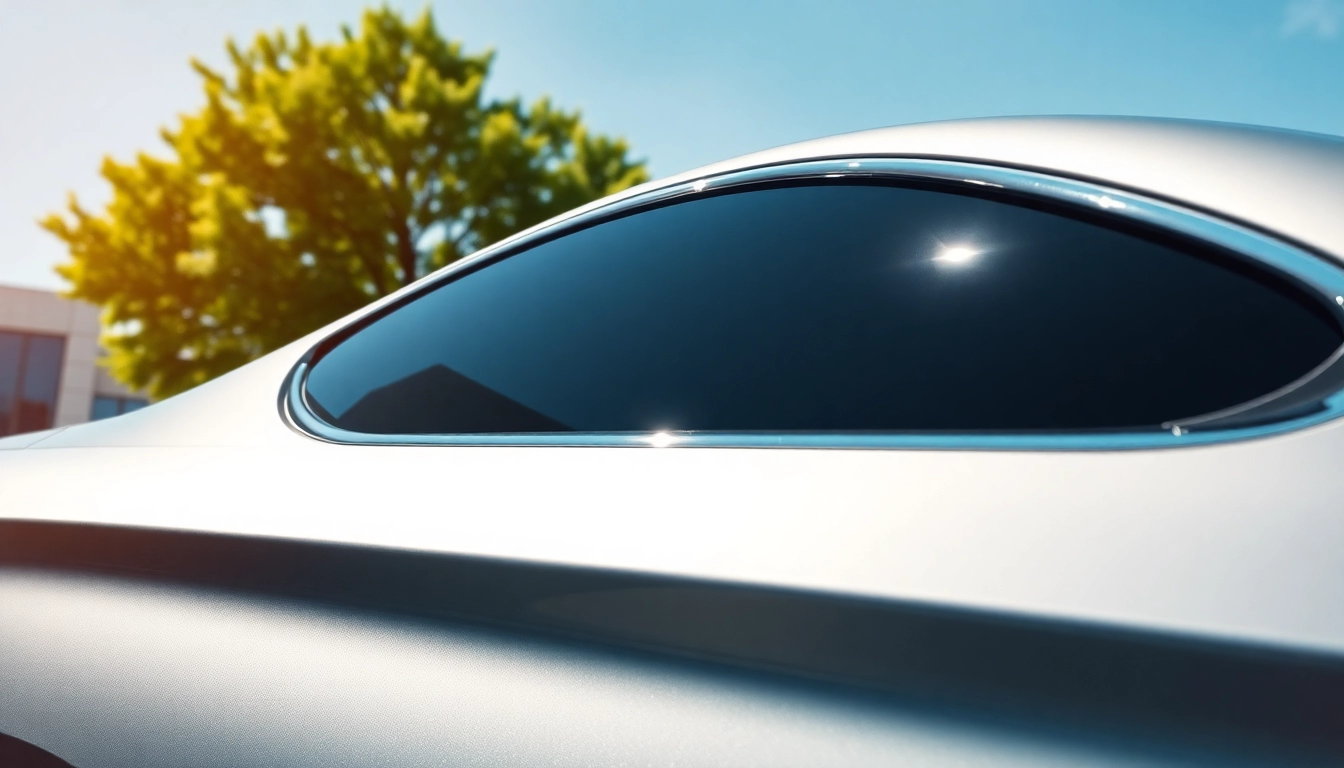
Understanding Window Tinting Cleveland TN
What is Window Tinting?
Window tinting involves applying a thin film to the glass of vehicles or buildings to reduce glare, enhance privacy, and provide heat insulation. This process not only enhances the appearance of vehicles but also protects the interiors from fading and damage caused by UV rays. Typically, the film is made from either dyed, metallized, ceramic, or a combination of different materials, each offering various benefits tailored to meet distinct needs.
Benefits of Window Tinting Cleveland TN
In Cleveland, where weather extremes can impact comfort and vehicle efficiency, the benefits of window tinting Cleveland TN become particularly pronounced. Here are some of the primary advantages:
- UV Protection: Window films can block up to 99% of harmful ultraviolet rays, helping to protect your skin and reduce the risk of skin cancer.
- Heat Rejection: Tints can significantly reduce heat buildup inside the vehicle, making it more comfortable during hot summers.
- Privacy: Tinted windows offer an additional level of privacy, deterring potential theft and providing peace of mind.
- Glare Reduction: By minimizing glare from sunlight, window tints enhance visibility for drivers and passengers.
- Energy Savings: Tinted windows help regulate the temperature inside a car or building, potentially leading to lower energy costs for air conditioning.
Types of Window Tint Films
Choosing the right type of window tint film is crucial for achieving the desired results. The various types include:
- Dyed Window Film: This film absorbs heat and offers privacy without using metallic materials. It's often more affordable but may not provide the same level of heat rejection as other types.
- Metalized Window Film: This film contains tiny metallic particles that reflect heat, providing superior durability and scratch resistance. It's great for enhancing privacy as well.
- Ceramic Window Film: A high-performance option, ceramic film offers excellent heat rejection, glare reduction, and UV protection without interfering with electronic signals.
- Hybrid Window Film: Combining the benefits of dyed and metalized films, hybrid films provide both aesthetics and functionality, balancing privacy with performance.
Choosing the Right Tint for Your Needs
Legal Regulations for Window Tinting Cleveland TN
Before selecting a tint, it's vital to understand the local laws regulating window tinting in Cleveland. Tennessee law dictates specific limitations on the darkness of window films for both cars and buildings, ensuring that visibility for drivers is not compromised. For example, the front windshield must allow more than 70% of light in, while the rear windows can have darker tints. Always check current regulations to avoid fines and ensure compliance.
How to Select the Optimal Tint Level
Choosing the correct tint level involves assessing both personal preferences and legal restrictions. Light tints offer a subtle look while providing some UV protection. Darker tints, while offering more privacy and heat rejection, may face legal scrutiny. A professional consultation can provide insight into the best options for your vehicle based on its typical use, the amount of sunlight exposure, and your personal style.
Maximizing Energy Efficiency with Tints
To enhance energy efficiency, it’s essential to select a window tint that effectively reduces heat transfer. High-quality films can minimize the workload on your vehicle's air conditioning system, ultimately extending the lifespan of the AC and potentially improving fuel efficiency. Furthermore, choosing a film with a high solar heat gain coefficient will help maintain a comfortable ambient temperature year-round.
The Installation Process Explained
DIY vs. Professional Installation
While DIY window tinting kits are available, the process requires precision and skill to ensure a flawless result. Professional installation is generally recommended as it guarantees quality and adherence to legal standards. Professionally installed tints are less prone to issues such as bubbling, peeling, or improper application, which can diminish the lifespan and effectiveness of the film.
Key Steps in Professional Tint Installation
The installation process by a professional typically includes the following steps:
- Cleaning the Windows: Thorough cleaning is paramount to ensure that dirt and debris do not interfere with the film’s adhesion.
- Measuring and Cutting: Accurate measurements are taken to cut the film to the appropriate size for each window.
- Application of the Film: The film is carefully applied to the glass surface using a special solution that helps with positioning and reduces air bubbles.
- Trimming Edges: Edges are trimmed to create a clean finish that looks professional and avoids tangling.
- Drying Time: Lastly, the film needs adequate time to cure properly, during which the windows should not be rolled down or exposed to moisture.
Common Installation Mistakes to Avoid
Even for experienced installers, certain mistakes can arise during the tinting process. These include:
- Poor Surface Preparation: Neglecting to clean the windows properly can cause bubbles and peel issues.
- Wrong Film Selection: Using the incorrect film type for the specific glass can lead to inefficient results.
- Inexperienced Application: Improper techniques might result in uneven tints, bubbles, and premature peeling.
Maintaining Your Window Tint
Cleaning Tips for Long-lasting Tint
Proper maintenance can significantly extend the life of your window tint. Follow these cleaning tips:
- Use a gentle cleaner specifically designed for window films.
- Employ a soft cloth or sponge to avoid scratching the film’s surface.
- Avoid using abrasive scrubbers or cleaners containing ammonia.
Signs Your Tint Needs Replacement
Over time, your window tint can deteriorate. Look for these signs to determine if it's time for a replacement:
- Fading color which diminishes the aesthetic appeal.
- Peeling or bubbling edges that indicate poor adhesion.
- Cracking or tearing in the film that compromises functionality.
Frequently Asked Questions about Window Tinting Cleveland TN
FAQs about Window Tinting Cleveland TN
What are the legal tint percentages in Cleveland TN?
In Cleveland TN, the front windshield must allow more than 70% of light in, while rear windows can be darker, though specific regulations can vary. Always verify current laws.
Can window tint help with heat reduction?
Yes, quality window tints can significantly reduce heat inside your vehicle or home by reflecting solar energy, contributing to a more comfortable environment.
How long does window tint last?
With proper care, window tint can last anywhere from 5 to 10 years. Factors affecting lifespan include film quality and environmental conditions.
Is window tinting safe for my car's windows?
Yes, window tinting is safe for car windows when installed correctly and using materials designed for automotive glass. It enhances visibility and privacy without compromising safety.
What should I look for in a window tint provider?
Seek a provider with experience, quality materials, customer reviews, and adherence to local tinting laws. A professional certification is also a good indicator of reliability.